
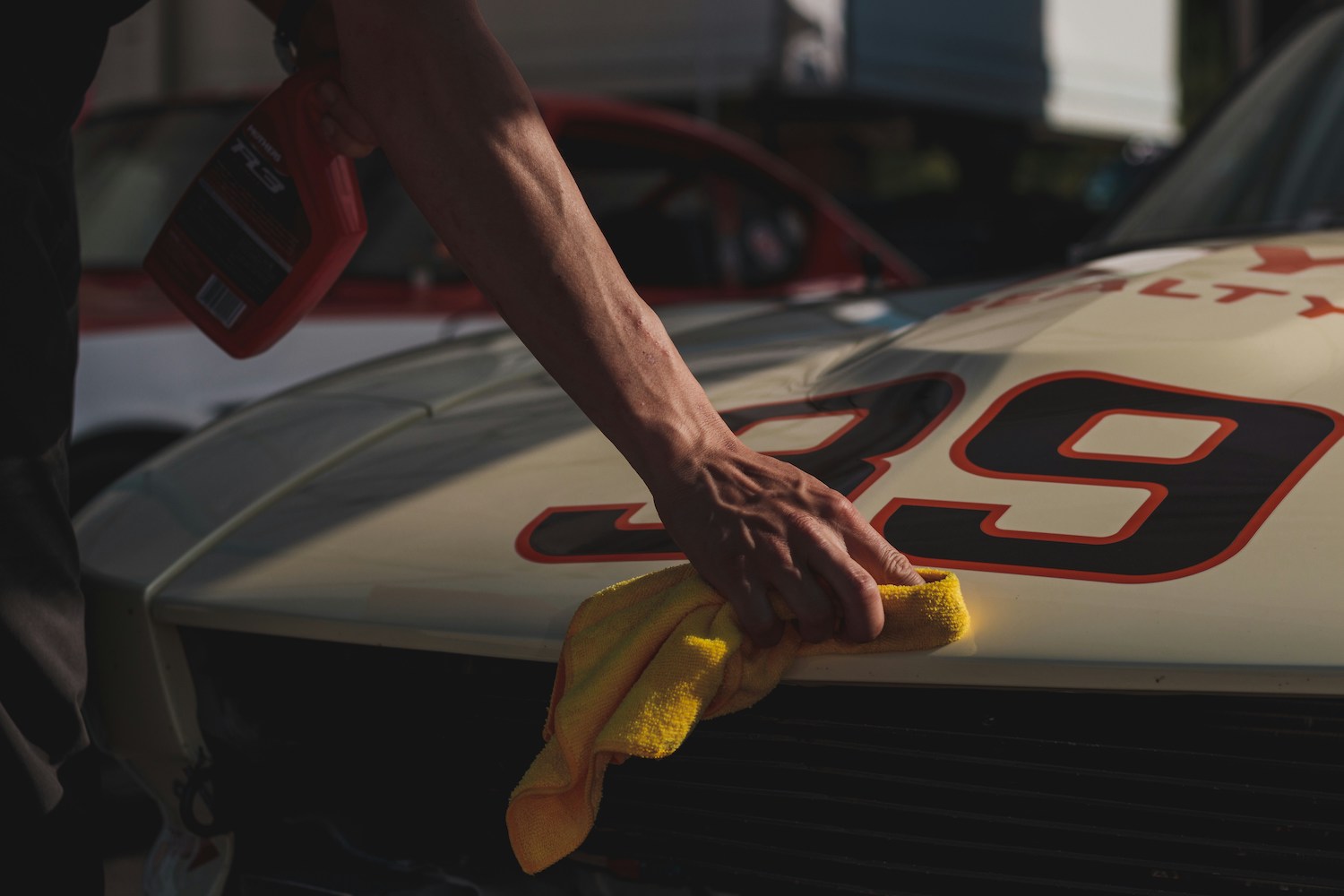
A job as a classic car detailer offers the unique opportunity to work hands-on with some of the most beautiful and historically significant vehicles ever made. Detailing classic cars involves more than just a standard clean-up; it requires an understanding of vintage materials, precision, and a passion for automotive history. Here’s how you can start your career in this niche profession.
Understanding the Role:
Classic car detailing goes beyond the basics of car cleaning. It includes tasks like paint restoration, chrome polishing, interior refurbishment, and sometimes minor touch-ups that require an eye for detail and a gentle hand. The goal is to restore or maintain the car’s original appearance, which often increases its value and longevity.
Educational Background:
While you don’t need a specific degree to become a car detailer, having a background in auto body work, auto mechanics, or a certification in auto detailing can give you a competitive edge. Many community colleges and vocational schools offer courses in automotive detailing that include both classroom instruction and hands-on training.
Specialized Training for Classic Cars:
Specific training in classic car detailing is crucial, as these vehicles often contain materials and paint types that are no longer used in modern cars. Look for workshops or certification programs that focus on vintage or classic cars. These programs teach the nuances of working with older vehicle technologies and materials, such as lacquer-based paint and leather upholstery that requires special care.
Gaining Experience:
Start by working in a general car detailing shop to gain basic detailing skills. Volunteer to work on older vehicles whenever possible. You can also seek apprenticeships or entry-level positions at classic car restoration shops, where you can learn directly from experienced professionals about the specific needs and challenges of detailing vintage automobiles.
Building a Portfolio:
As you gain experience, document your projects and build a portfolio showcasing your work, especially any classic cars you have detailed. Before and after photos, descriptions of the processes used, and any challenges you overcame can be particularly persuasive to potential employers or clients.
Networking in the Industry:
Networking is key in the niche field of classic car detailing. Attend car shows, join car clubs, and participate in automotive forums online. Connecting with classic car owners and other professionals in the automotive restoration industry can lead to job opportunities and freelance work.
Finding Job Opportunities:
Classic car workshops, museums, and private collectors are potential employers. Additionally, high-end car dealerships that specialize in vintage cars might need skilled detailers. Regularly check job boards and websites like ClassicCarJobs.us for listings related to classic car detailing. Don’t hesitate to reach out directly to restoration shops or collectors who might be in need of a detailer. You search open roles for detailers on ClassicCarJobs.US
Staying Informed and Up-to-Date:
The field of car detailing, like all automotive fields, is ever-evolving. Stay updated on the latest products and techniques by subscribing to industry magazines, attending workshops, and participating in forums. Being knowledgeable about the latest trends and products can set you apart from other detailers.
Conclusion:
Securing a job as a classic car detailer requires a blend of specific skills, passion for classic cars, and diligent networking. By following these steps and continuously improving your craft, you can turn your passion for classic cars into a rewarding career, ensuring these treasures of automotive history are preserved for future generations.
About This Resource
The Classic Car Jobs Editorial Team publishes career guidance, salary insights, training resources and industry information for professionals working with classic, collector and exotic automobiles.