
Restoration
Navigating Your Career Path in Classic Car Restoration
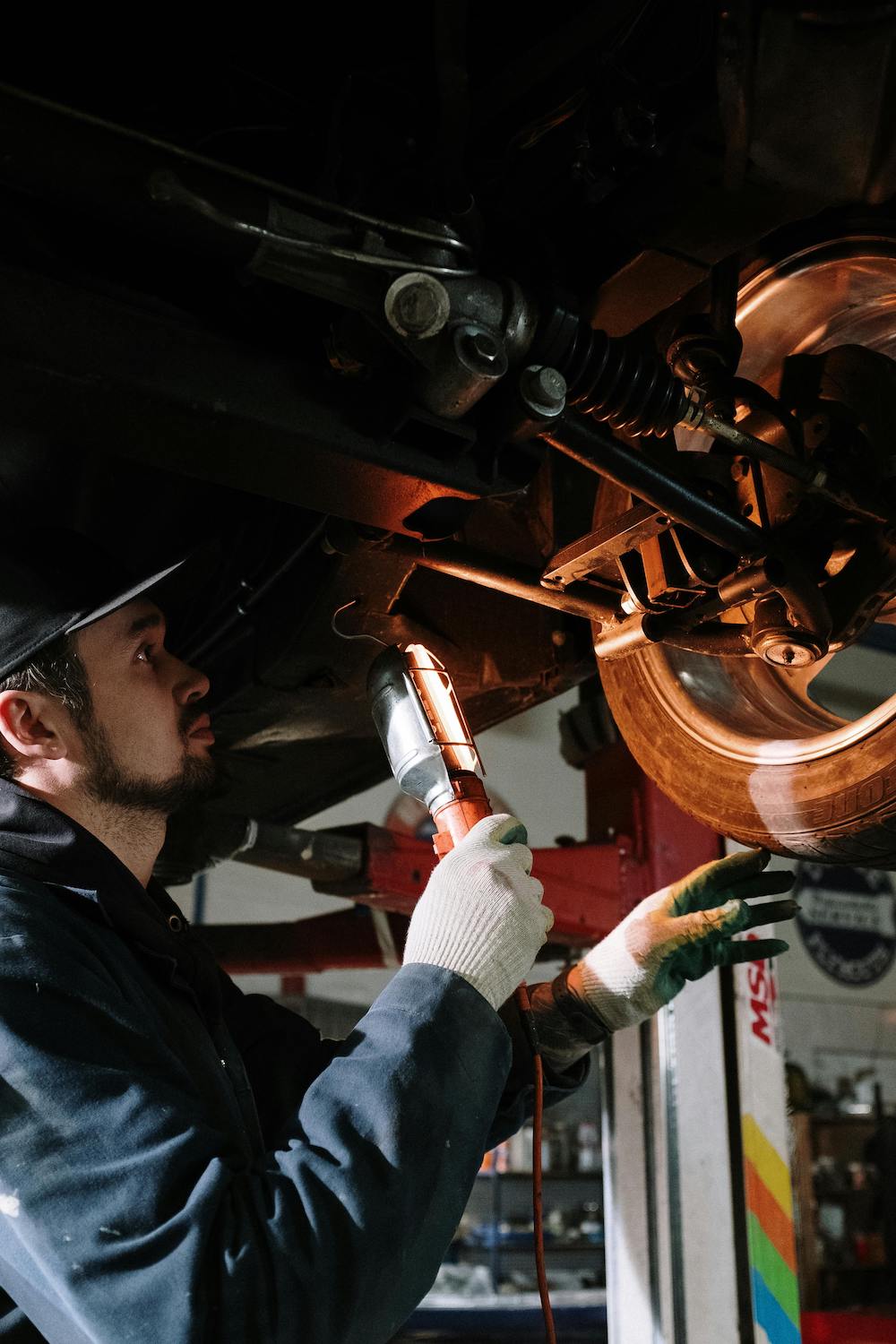
Embarking on a career in classic car restoration can be both rewarding and challenging. This field not only demands a deep passion for vintage automobiles but also requires technical skills, business acumen, and a commitment to lifelong learning. Whether you're just starting out as an apprentice or dreaming of owning your own shop, understanding the career path can help you navigate the journey successfully.
Steps to progressing your careers in Classic Car Restoration
Step 1: Starting as an Apprentice
Becoming an apprentice is the first step in the world of classic car restoration. Apprenticeships provide crucial hands-on experience and a chance to learn directly from seasoned professionals. As an apprentice, you will learn the basics of vehicle assessment, disassembly, part restoration, and reassembly, along with specialized skills like paint matching and upholstery restoration. For a detailed guide on becoming an apprentice, check out our post on "How to Become an Apprentice at a Classic Car Shop".
Step 2: Becoming a Skilled Technician
After completing an apprenticeship, the next goal is to become a skilled technician. This stage involves deeper technical training and gaining certifications that can bolster your expertise, such as those from the National Institute for Automotive Service Excellence (ASE). Skilled technicians often begin to specialize in certain types of vehicles or restoration techniques, such as focusing solely on engine rebuilds or electrical systems.
Step 3: Advancing to Lead Mechanic or Supervisor
With several years of experience and proven expertise, advancing to a lead mechanic or a supervisory role is the next step. In these roles, you’re not only doing restoration work but also overseeing the work of other technicians, managing projects, and interacting directly with clients. Leadership skills become as crucial as technical skills, as you ensure projects stay on time, within budget, and meet high-quality standards.
Step 4: Gaining Business and Management Skills
As you look towards owning a shop, understanding the business side of operations is essential. This might involve further education, such as taking business management or entrepreneurship courses. Learning about business planning, operations management, customer service, and marketing are all critical. You might also start attending more networking events and building relationships with suppliers and potential clients.
Step 5: Opening Your Own Restoration Shop
Opening your own classic car restoration shop is the culmination of years of hard work, learning, and building connections within the industry. At this stage, you need to secure funding, find a location, purchase equipment, and hire skilled staff. Developing a business plan that outlines your niche—whether that's specializing in a specific type of classic car or offering a broad range of restoration services—is crucial.
Challenges and Rewards of the career:
Owning a restoration shop comes with its set of challenges, including economic fluctuations, client acquisition, and managing a team. However, the rewards can be significant. Not only do you get the satisfaction of restoring beautiful vehicles to their former glory, but you also contribute to preserving automotive history and culture. Throughout all of this, you'll want to maintain a portfolio of your career - Classic Car Jobs can host your portfolio! The path from an apprentice in classic car restoration to a shop owner is filled with learning opportunities and significant milestones. It requires a balance of technical skill, continuous education, and business savvy. For those passionate about classic cars and restoration, the journey is as rewarding as the final destination, where every project brings new challenges and triumphs.
About This Resource
The Classic Car Jobs Editorial Team publishes career guidance, salary insights, training resources and industry information for professionals working with classic, collector and exotic automobiles.