
Quick Answer
What is History of the Lancia Fulvia?
This guide provides comprehensive information on history of the lancia fulvia, covering key technical requirements, industry benchmarks, pay structures, and career advancement paths for automotive technicians and shop owners.
The Lancia Fulvia: A Journey Through Rallying Glory, Evolution, and Road Car Success
The Lancia Fulvia is a name that carries a legacy of Italian style, clever engineering, and rallying success. Introduced in the 1960s, it quickly became a big name in motorsport and a favorite among rally lovers. In this post, we'll dive into the Lancia Fulvia's rallying history, the different models it offered, what happened after Fiat took over, and why this car is still so popular today.
The Early Days of the Lancia Fulvia
The Lancia Fulvia made its debut in 1963 as a four-door sedan. It was meant to compete with other popular cars like the Alfa Romeo Giulia and the Fiat 1300, but the Fulvia was different from the start. For one thing, it was front-wheel drive, which was pretty rare for an Italian car back then. It also used a narrow-angle V4 engine, which was unusual. These choices made the Fulvia stand out and gave it some unique driving qualities.
Lancia's Innovative Spirit
The Fulvia marked a fresh start for Lancia, combining new ideas with a bit of luxury. The front-wheel drive setup helped with handling, and having disc brakes on all four wheels was a big deal at the time. This car was all about trying new things, and that’s one of the reasons why it became such a hit.
The Fulvia's Rallying Success
Where the Lancia Fulvia really shined was on the rally stages. Back in the day, most rally cars were rear-wheel drive, but the Fulvia proved that front-wheel drive could be just as competitive - if not better!
Winning Big in the 1960s and 1970s
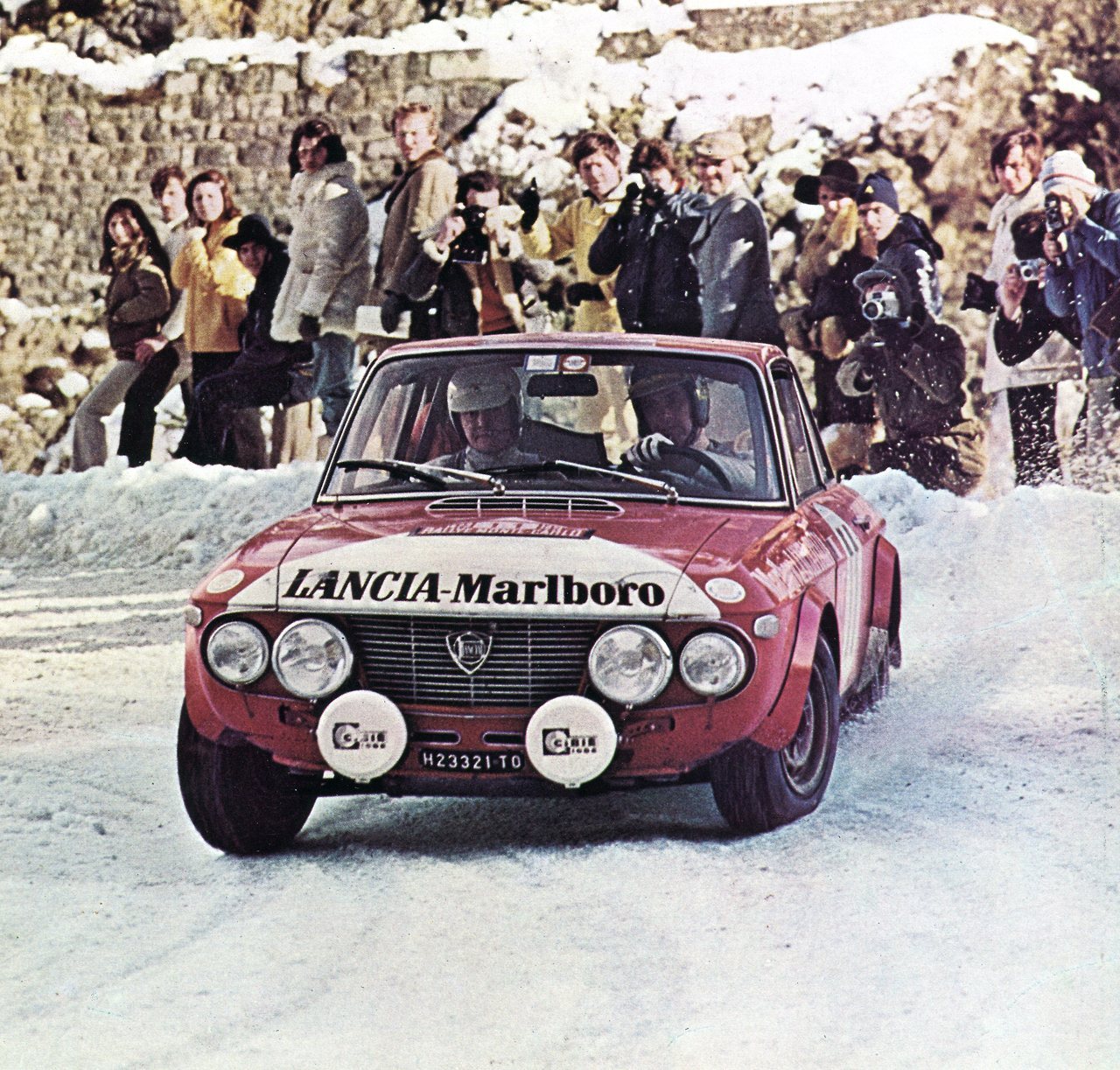
Lancia started racing the Fulvia in 1965, and it quickly made a name for itself. The high-performance HF (High Fidelity) versions, in particular, were built for racing and did an amazing job. In 1972, the Fulvia reached the top of the rally world when it won the famous Monte Carlo Rally with driver Sandro Munari and co-driver Mario Mannucci. This win was a huge moment for Lancia and proved that the Fulvia was a serious rally car. The Fulvia was light, nimble, and had great handling, which made it perfect for those tricky, winding rally roads. Its front-wheel-drive setup gave it an edge on slippery surfaces, making it easier to handle than many of its rear-wheel-drive competitors.
Winning the International Championship for Manufacturers
Before the World Rally Championship (WRC) became a thing in 1973, there was the International Championship for Manufacturers (IMC), which was the biggest competition in rallying. The Fulvia 1.6 HF took home the title in 1972, showing the world that it was a force to be reckoned with. This win helped pave the way for Lancia’s future rallying success with other models like the Stratos, 037, and Delta Integrale.
The Different Versions of the Lancia Fulvia
The Lancia Fulvia came in a bunch of different versions over the years, with each one offering something unique. Let’s take a look at the main ones:
Fulvia Berlina (Sedan)
The first Fulvia model was the Berlina, a four-door sedan introduced in 1963. It was a pretty fancy car for its time, with that V4 engine and front-wheel drive setup. It was a comfortable and reliable car, but it was the coupé version that really captured people's hearts.
Fulvia Coupé
The Fulvia Coupé came out in 1965 and quickly became the most popular version. Designed by Piero Castagnero, it was a sleek 2+2 sports car that looked and felt more exciting than the sedan. The coupé started with a 1.2-liter engine, but more powerful engines were added over time. It was this model that became a rallying legend.
Fulvia HF Models
The HF (High Fidelity) models were the top-of-the-line versions designed specifically for racing. Here are the key HF models:
- Fulvia 1.2 HF: Introduced in 1966, this version had a 1.2-liter engine with 88 hp. It was lighter and more stripped down, making it perfect for rallying.
- Fulvia 1.3 HF: A competition-oriented HF variant. Confirm the year, engine and transmission against the specific vehicle’s records rather than applying later HF specifications to every example.
- Fulvia 1.6 HF (Fanalone): This was the most famous version, often called "Fanalone" because of its big headlights. With a 1.6-liter engine producing 115 hp, it became the star of Lancia’s rally team.
What Changed When Fiat Took Over?
In 1969, Fiat bought Lancia, and this brought some changes to the Fulvia. While many Lancia fans were worried that Fiat would ruin what made the Fulvia special, the car continued to be made for a few more years, with some tweaks.
The Fulvia Series 2
After Fiat took over, the Fulvia Series 2 came out in 1970. It now had a five-speed gearbox, which made driving more comfortable. The Series 2 also became a bit heavier and more luxurious, with nicer interiors and better quality finishes.
Less Aluminum, More Comfort
One of the big changes was that Fiat stopped using as much lightweight aluminum in the HF models. This made the car a bit heavier, but it also made it more comfortable and better suited for everyday driving.
Was the Lancia Fulvia a Hit as a Road Car?
Absolutely! While the Fulvia is best known for its rallying success, it was also a great road car. It offered a mix of sporty performance, good looks, and a bit of luxury that made it very appealing. Historical prices depended on year and market; this guide does not establish a like-for-like comparison with a Jaguar E-type.
The Fulvia Coupé’s Popularity
The Fulvia Coupé was especially popular. It was stylish, fun to drive, and had a well-built interior, making it perfect for daily driving. It was compact and easy to handle, whether you were driving through city streets or taking it on a road trip. Plus, owning a car with a rallying background made it feel special.
The Monte Carlo Edition
After winning the Monte Carlo Rally in 1972, Lancia released a special "Monte-Carlo" edition of the Fulvia Coupé 1.3 S. This version was painted in the same red color as the rally car and even had a matte black hood to reduce glare. It was a way for Lancia to celebrate their win, and it quickly became a sought-after model.
The End of the Fulvia's Production
Sadly, all good things must come to an end, and Lancia stopped making the Fulvia in 1976. By then, it had been around for over a decade, and changes in the car industry, along with Fiat’s plans for the brand, meant it was time to move on. But the Fulvia had already made its mark, and it paved the way for future Lancia rally cars like the Stratos and Delta.
The Legacy and Collectibility of the Lancia Fulvia
Today, the Lancia Fulvia is a prized classic car, loved by enthusiasts for its rallying success, unique engineering, and timeless design. It’s seen as one of the last true "pre-Fiat" Lancias, representing the brand's independent spirit and dedication to making great cars.
Why Is the Fulvia Still Popular?
- Rallying History: The Fulvia's impressive rallying history, especially the 1972 Monte Carlo Rally win, makes it a car with a fantastic story.
- Cool Engineering: The narrow V4 engine, front-wheel-drive setup, and advanced suspension were all pretty special back then and still make the Fulvia unique today.
- Classic Design: The Fulvia Coupé’s sleek, stylish look and its well-designed interior mean it’s a car that still turns heads.
Final Thoughts on The Lancia Fulvia
The Lancia Fulvia is more than just a car; it's a piece of rallying history and a true Italian classic. It proved that you don’t need a big engine or fancy rear-wheel drive to be a winner. Whether you’re a car enthusiast or just someone who appreciates a good story, the Fulvia is a car worth remembering. If you ever get the chance to drive or own one, you'll quickly see why this little Italian coupé left such a big mark on the world of motorsport and continues to be a favorite among classic car fans. If you're looking to work on epic classic such as the Lancia Fulvia, check out all the available roles on Classic Car Jobs!
For the model’s origins and 1972 Monte Carlo win, see the Stellantis Heritage account.
About This Resource
The Classic Car Jobs Editorial Team publishes career guidance, salary insights, training resources and industry information for professionals working with classic, collector and exotic automobiles.