Training & Education
Top Colleges and Programs for a Career Working on Exotic Cars
First decide whether you want to repair vehicles, restore older cars or design new ones. Those are different jobs. A mechanical engineering degree is not the same route as workshop technician training, and a general automotive course is not automatically an exotic-car qualification.
Choosing Training for Exotic Car Work
First decide whether you want to repair vehicles, restore older cars or design new ones. Those are different jobs. A mechanical engineering degree is not the same route as workshop technician training, and a general automotive course is not automatically an exotic-car qualification.
Three Routes to Compare
| Goal | Starting point | What to check |
|---|---|---|
| Diagnose and repair road cars | Automotive service training and supervised shop experience | Electrical diagnosis, service procedures, practical hours and employer connections |
| Restore older exotic cars | Restoration training or a specialist shop apprenticeship | Older mechanical systems, fabrication, documentation and period-correct work |
| Design or develop vehicles | The engineering discipline required by the employer | Degree requirements, mathematics, design tools and relevant projects |
For automotive service education, use the ASE Education Foundation’s school finder. Accreditation and course completion do not make someone factory-certified for every marque.
Manufacturer Programs With Published Information
| Program | Route to investigate |
|---|---|
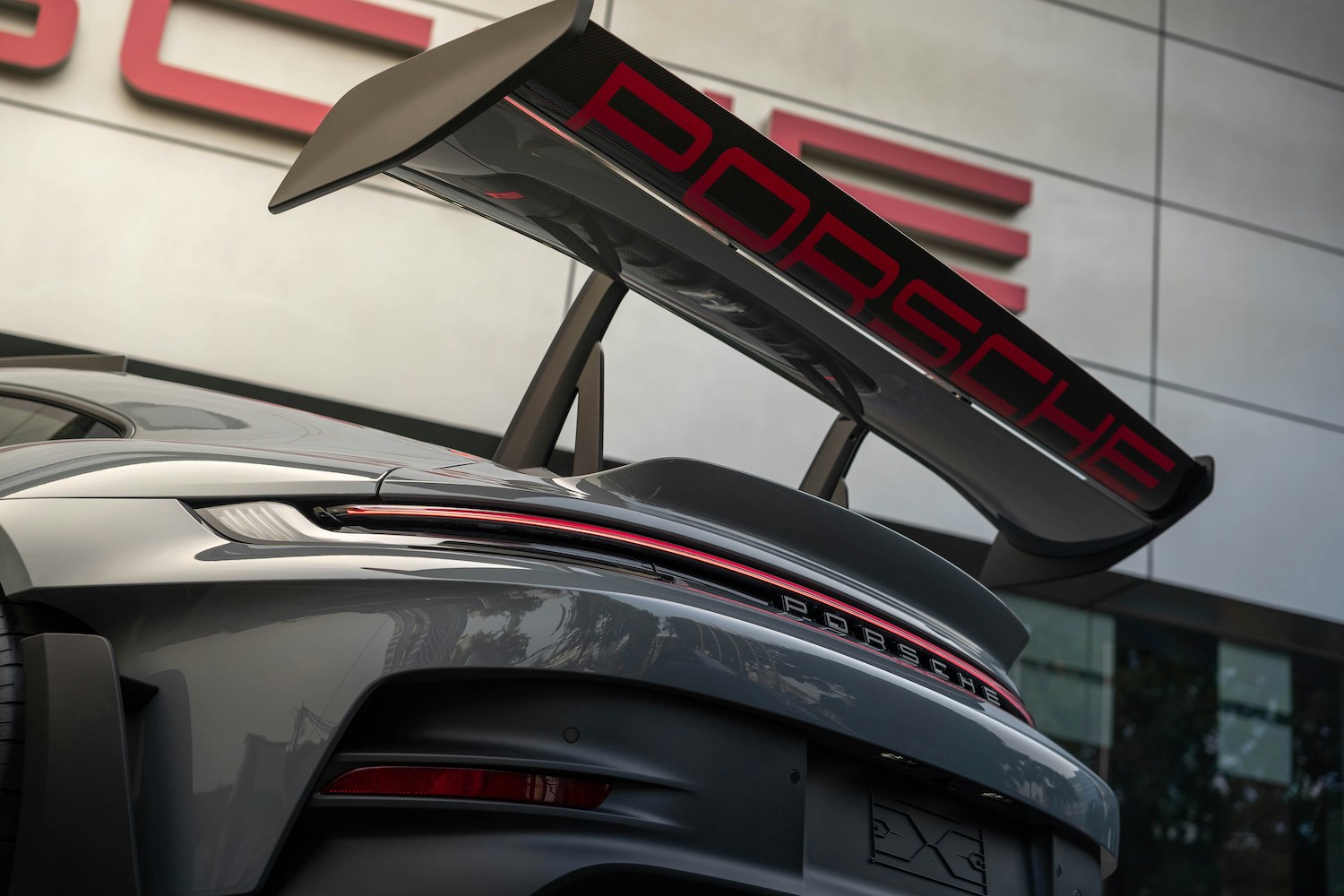
| Porsche PTAP through UTI | Selective Porsche technician training with defined prerequisites |
| BMW Automotive STEP | Brand-specific technician preparation; review current classes and eligibility |
| GM ASEP | Automotive education combining classroom and work-based training |
These are examples of manufacturer-linked routes, not interchangeable “supercar certifications.” BMW or GM training is not a Ferrari credential. A manufacturer’s engineering internship, production apprenticeship or corporate careers page also does not establish an open dealer-technician course.
For a marque not represented here, ask an authorized dealer what background it seeks for entry-level and experienced service roles, and which training it provides after hiring. Read the actual vacancy: the job may require prior brand experience, or it may offer a route to learn.
When Restoration School Makes More Sense
If you want to rebuild a vintage engine, fabricate a panel or restore an interior, compare the restoration schools and programs guide. Ask what vehicles and materials students work with. A program’s use of one valuable car does not mean every student receives extensive exotic-car experience.
A specialist apprenticeship may be another route. Establish the pay, supervision, training plan and duties before accepting.
How to Judge a School’s Fit
Compare the curriculum with real job descriptions. Ask for the complete cost, tool list, practical hours and current outcomes. If a school advertises employer partnerships, find out what students actually receive: a visit, an interview opportunity, work placement or conditional job offer.
Build a portfolio around work you personally completed. Explain the diagnosis, procedure, supervision and result. Accurate documentation is more useful than a list of exotic badges.
Browse specialty automotive jobs and use the requirements to narrow your training choices.
Related Reading
About This Resource
The Classic Car Jobs Editorial Team publishes career guidance, salary insights, training resources and industry information for professionals working with classic, collector and exotic automobiles.