
Site logo
vintage engine restoration jobs_1

Vintage engine restoration is a highly specialized field within the automotive industry that combines technical skill with a deep appreciation for automotive history. For many enthusiasts, working on vintage engines is not just a job, but a passion that allows them to revive the heart of classic cars. If you’re interested in pursuing a career in vintage engine restoration, this guide will help you understand the steps you need to take to land a job in this niche field.

vintage engine restoration jobs_2

What is Vintage Engine Restoration?

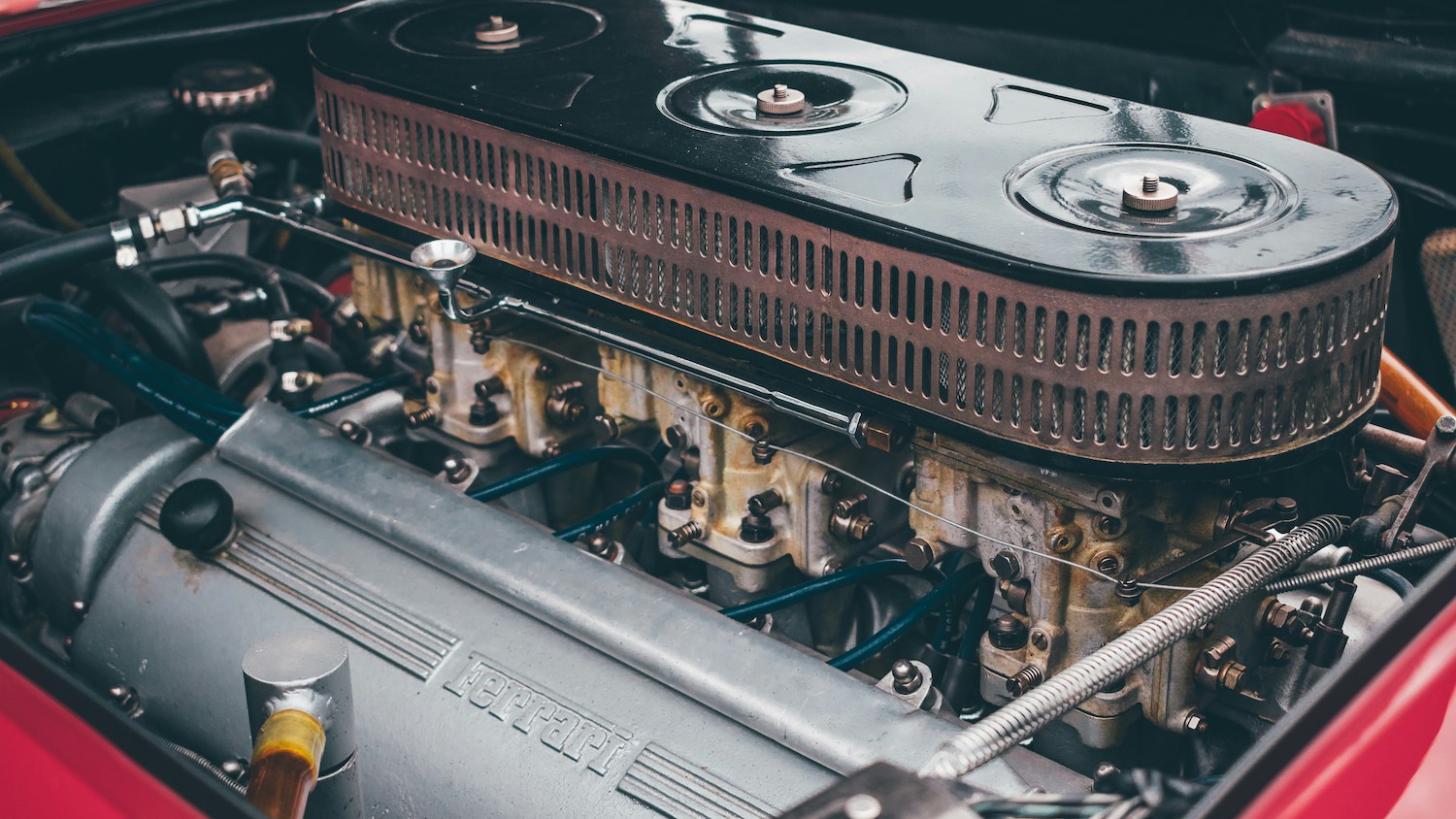
Vintage engine restoration involves the repair, rebuilding, and maintenance of engines from classic cars, motorcycles, and other vehicles. This work often requires working with engines that are decades old, sourcing rare or custom parts, and ensuring that the engine runs as smoothly as it did when it was new—or better. Vintage engines often include those from pre-1970s vehicles, with a particular focus on brands like Jaguar, Porsche, Ferrari, and American muscle cars.

Why Choose a Career in Vintage Engine Restoration?

Passion for History and Craftsmanship

Vintage engine restoration is perfect for those who appreciate the craftsmanship and history behind classic vehicles. It allows you to work closely with engines that have a rich heritage and are often considered works of art in their own right. Such as the Model T engine which is way back!

High Demand for Specialists

As the market for classic cars continues to grow, so does the demand for skilled technicians who can restore their engines. Vintage engine restoration is a specialized skill that not many mechanics possess, making those who do highly sought after.

Rewarding Work

There’s a unique satisfaction that comes from bringing a piece of automotive history back to life. Restoring a vintage engine to its original glory, or even enhancing its performance, can be incredibly rewarding both personally and professionally.

Steps to Get a Job in Vintage Engine Restoration

1. Acquire Specialized Training

Education Matters

To excel in vintage engine restoration, it’s crucial to have a solid foundation in automotive technology. Enroll in an automotive technology program at a college or technical school that offers specialized courses in classic car restoration. Programs like those at McPherson College or Pennsylvania College of Technology are known for their focus on vintage and classic cars. Check out the top schools and programs for classic car mechanics!

Hands-On Workshops

Seek out workshops and training programs that focus specifically on vintage engines. These might be offered by car clubs, museums, or restoration shops and can provide you with hands-on experience that’s directly relevant to the field.

2. Gain Experience in a Restoration Shop

Start as an Apprentice

The best way to learn vintage engine restoration is by working under an experienced technician. Look for apprenticeship opportunities at shops that specialize in classic cars and engine restoration. This hands-on experience is invaluable and will teach you the nuances of working with older engines.

Work on Personal Projects

If you have access to vintage engines, start working on personal restoration projects. Document your work and build a portfolio that showcases your skills. This can be a powerful tool when applying for jobs in the industry.

3. Develop a Niche Expertise

Focus on Specific Brands or Engine Types

Consider specializing in a particular brand or type of engine, such as air-cooled Porsche engines or American V8s. Developing expertise in a niche area can make you a sought-after technician for certain restoration projects.

Build Relationships with Parts Suppliers

Restoring vintage engines often requires sourcing rare or custom parts. Building relationships with parts suppliers and learning where to find hard-to-get components is a crucial skill in this field.

4. Network Within the Classic Car Community

Join Car Clubs and Associations

Networking is key to finding job opportunities in vintage engine restoration. Join classic car clubs, attend car shows, and participate in events where you can meet other enthusiasts and professionals in the field.

Engage Online

Online forums, social media groups, and platforms like LinkedIn can be valuable for connecting with others in the classic car community. Engage in discussions, share your work, and stay informed about job openings and trends in the industry.

5. Use Specialized Job Platforms

Classic Car Jobs

When you’re ready to start applying for jobs, use specialized job platforms like Classic Car Jobs. These platforms cater specifically to the classic and exotic car industry, making it easier to find positions that match your skills and interests.

Tailor Your Resume and Portfolio

When applying for jobs, tailor your resume to highlight your experience with vintage engines. Include a portfolio of your restoration work, showcasing before-and-after photos and detailed descriptions of the projects you’ve completed.

Conclusion, There Are Vintage engine restoration jobs

Landing a job in vintage engine restoration requires a combination of specialized training, hands-on experience, and a passion for classic cars. By following these steps and dedicating yourself to mastering the craft, you can build a rewarding career in this unique field. Whether you’re just starting out or looking to transition from a different area of automotive work, there’s a place for you in the world of vintage engine restoration.

For more information on job opportunities and educational resources in the classic car industry, visit Classic Car Jobs.

We use cookies to improve your experience on our website. By browsing this website, you agree to our use of cookies.

Sign in

Sign Up

Forgotten Password