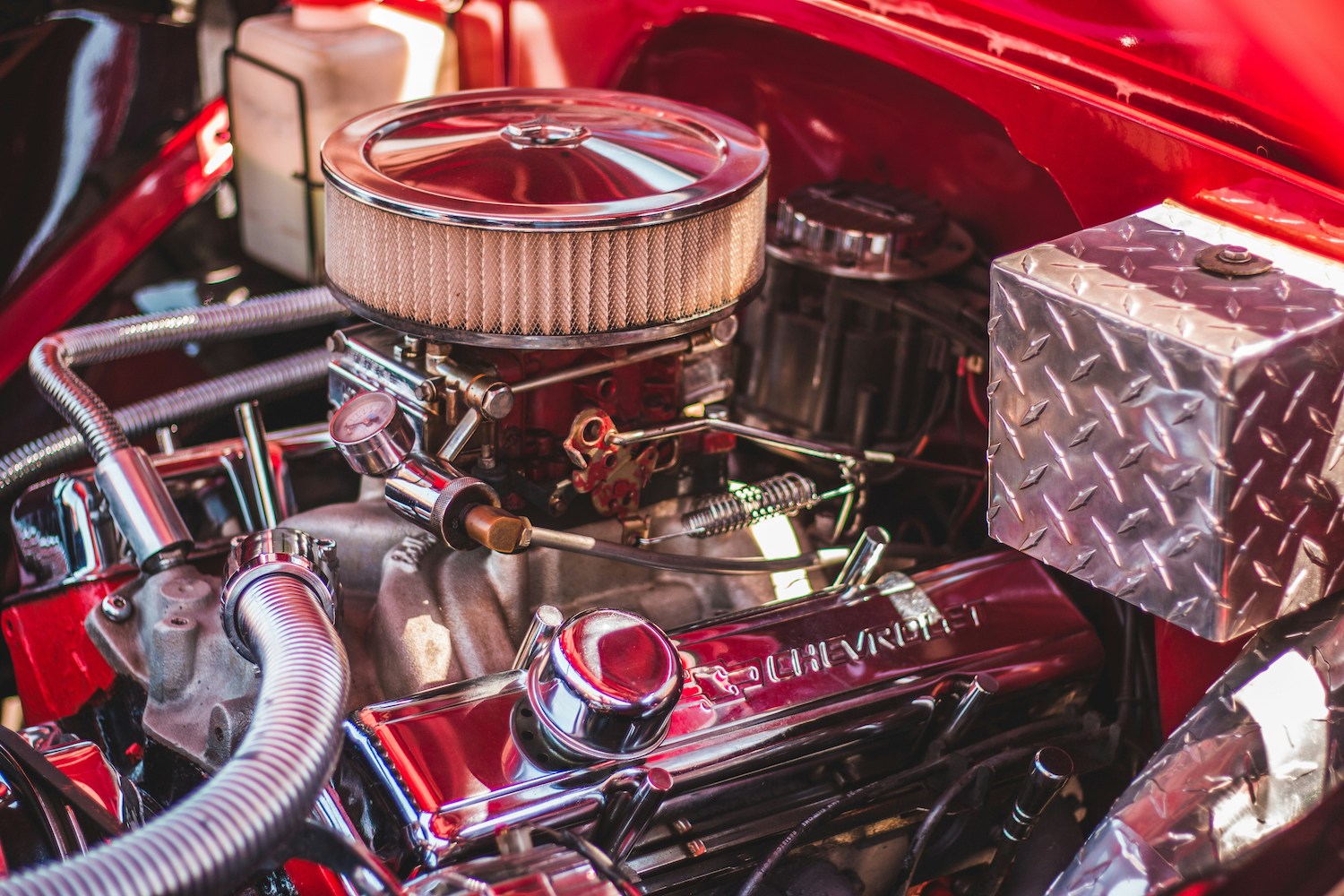
How to Specialize in Classic Car Restoration
Classic car restoration is a rewarding and intricate field that combines technical skill, historical knowledge, and artistic flair. If you’re passionate about vintage vehicles and want to carve out a niche in this industry, specializing in classic car restoration can open doors to unique and lucrative opportunities. Here’s how you can develop the skills and specialize in classic car restoration.

1. Build a Strong Foundation in Automotive Repair
Overview
Before diving into classic car restoration, it’s essential to have a solid understanding of general automotive repair. Start with a comprehensive education in auto mechanics, either through a technical school, community college, or apprenticeship. This foundational knowledge will equip you with the skills needed to tackle the mechanical aspects of classic car restoration, from engine rebuilds to suspension work.
Recommended Steps
- Enroll in Automotive Technology Programs: Consider programs offered by institutions like Universal Technical Institute (UTI) or Lincoln Tech, which provide a broad education in auto repair.
- Gain Hands-On Experience: Work in a general auto repair shop to build your skills and confidence in handling various types of vehicles.
2. Focus on Classic Car Restoration Techniques
Overview
Once you have a strong base in automotive repair, begin specializing in the techniques specific to classic car restoration. This includes learning about the unique challenges of working with older materials and technologies, as well as mastering restoration techniques that preserve the authenticity of the vehicle.
Recommended Steps
- Take Specialized Courses: Look for courses or workshops that focus on classic car restoration, including metalworking, upholstery, and paint techniques.
- Learn from Experts: Seek out mentorship opportunities or apprenticeships with experienced restorers who can teach you the intricacies of restoring vintage vehicles.
3. Specialize in a Niche Area
Overview
To stand out in the classic car restoration field, consider specializing in a particular niche, such as a specific make or model, or a particular aspect of restoration like bodywork or electrical systems. This specialization can make you an expert in a high-demand area and help you attract clients looking for your specific expertise.
Recommended Steps
- Choose a Niche: Decide whether you want to specialize in a particular brand (like Porsche or Jaguar) or a specific type of work (such as metal fabrication or interior restoration).
- Gain Expertise: Focus your learning and practice on this niche area, building a portfolio that showcases your specialized skills.
4. Stay Updated with Modern Techniques and Technologies
Overview
While classic car restoration often involves traditional techniques, staying updated with modern technologies and materials can give you an edge. This might include using modern tools for precision work or incorporating new materials that enhance the durability and quality of restorations.
Recommended Steps
- Attend Industry Workshops and Seminars: Stay connected with the latest trends and technologies in the industry by attending events like the SEMA Show or Goodguys Rod & Custom Association events.
- Continue Education: Regularly update your skills by taking courses on new techniques or tools that can be applied to classic car restoration.
5. Build a Strong Network within the Classic Car Community
Overview
Networking is crucial in the classic car restoration industry. Building relationships with other professionals, suppliers, and classic car enthusiasts can lead to job opportunities, collaborations, and valuable advice.
Recommended Steps
- Join Classic Car Clubs and Associations: Becoming a member of organizations like the Classic Car Club of America (CCCA) or the Antique Automobile Club of America (AACA) can provide networking opportunities and access to resources.
- Attend Car Shows and Events: Regularly attending classic car shows and events is a great way to meet potential clients and other professionals in the industry.
6. Develop a Portfolio of Your Work
Overview
A portfolio is an essential tool for showcasing your skills and attracting clients or employers. It should highlight the range and quality of your restoration work, with before-and-after photos, detailed descriptions, and testimonials from satisfied clients.
Recommended Steps
- Document Your Projects: Keep detailed records and photographs of all your restoration projects. Highlight the challenges and solutions you implemented to demonstrate your expertise.
- Create an Online Portfolio: Consider creating a website or using platforms like ClassicCarJobs.us to display your portfolio online. This makes it easier for potential clients or employers to see your work.
7. Pursue Certification and Accreditation
Overview
While not always required, certification from recognized automotive organizations can enhance your credibility and open doors to higher-paying jobs. Organizations like the National Institute for Automotive Service Excellence (ASE) offer certifications that are respected in the industry.
Recommended Steps
- Earn ASE Certification: Focus on certifications that are relevant to classic car restoration, such as those in collision repair or mechanical repair.
- Attend Accredited Programs: Look for programs that offer certifications specifically in restoration techniques or classic car maintenance.
8. Consider Starting Your Own Restoration Shop
Overview
For those with extensive experience and a strong client base, starting your own classic car restoration shop can be a rewarding way to turn your passion into a profitable business. It allows you to control the projects you take on and build a brand around your expertise.
Recommended Steps
- Develop a Business Plan: Outline your business goals, target market, and financial projections. Consider how you will differentiate your shop from competitors.
- Secure Funding: Look for financing options, such as small business loans, that can help you cover startup costs.
- Build a Team: Hire skilled technicians who share your passion for classic car restoration and can complement your expertise.
You Can Specialize in Classic Car Restoration!
Specializing in classic car restoration is a journey that combines a passion for vintage vehicles with a commitment to learning and craftsmanship. By following these steps—building a solid foundation, focusing on specialized techniques, staying updated with industry trends, and networking within the classic car community—you can establish yourself as a sought-after expert in this rewarding field.
For more tips on building a career in classic car restoration or to find job opportunities, visit Classic Car Jobs.